Mark Luigi Dacumos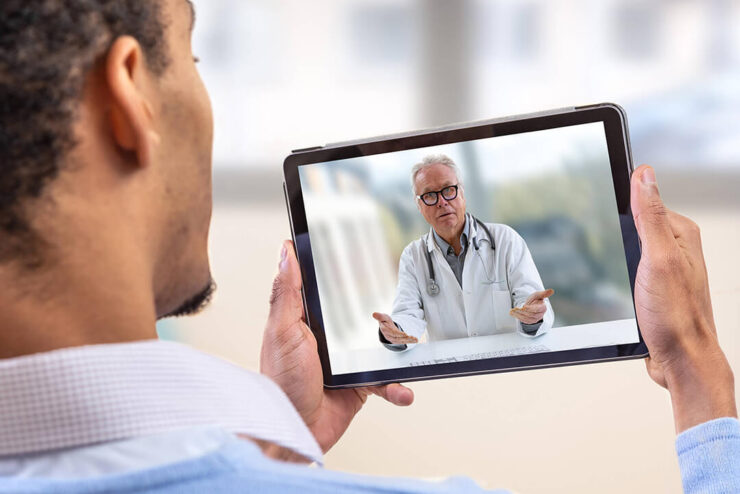
Even though it’s been around for four decades, telemedicine (aka telehealth) seemed to fly under the radar until the coronavirus hit. But once people saw the need to stay home and social distance, it exploded in popularity. We’ll discuss why telehealth has become so popular, and why it looks like it’ll stay that way.
What Is Telehealth?
The basic definition of telehealth is using a portal to connect a medical professional with a patient. Don’t let the word “portal” fool you as being something fancy, either, as in the case of telemedicine, it’s usually a phone or a computer screen.
Telehealth Example
To give you an example of how telemedicine works, let’s say you get the flu. Due to current events, you’re unsure if it’s the regular flu or COVID-19. Instead of calling up your doctor who may be busy and have limited hours during the pandemic, or, even worse, visiting the overcrowded emergency room, you try telehealth.
You pick a telemedicine provider you find online. You have a video call with the physician. They ask how you’re feeling, and give you a diagnosis. And depending on how bad it is, they may provide you a prescription.
Telehealth Benefits
You just completed this while sitting on your couch. There was no need to get in your car and fight traffic while sick, and you saved gas money. You also saved time driving there and back and sitting in the waiting room, where you can get sicker by being around others with illnesses.
As if that time-saving convenience wasn’t enough, there’s the money-saving benefit. While your mileage may vary, a video doctor visit with Sesame, for example, can cost a flat fee of $30, while a doctor’s visit in your area could cost over $100.
If you need further proof of the savings you can get with telemedicine, UnitedHealthcare found the following national median costs that show the difference between types of care:
- Telemedicine virtual visit – $50
- Doctor’s office visit – $85
- Emergency room visit – $740
Why is telemedicine so cheap compared to in-person doctor’s visits and going to the ER? In basic terms, it cuts out the middleman, which allows you to avoid surprise bills or insurance mark-ups. You pay the doctor directly with less fuss and fewer costs, and you get the care you need quickly. Best of all, telemedicine can also give you 24/7 access to care, which isn’t the case with doctors. And you can avoid long waits in the ER too.
Types of Telemedicine
Should you give telemedicine a try if you have a severe accident, break several bones, or have a heart attack? Of course not, as that’s what the ER is for. But if you need services such as these, you may try telehealth now and never go back to “regular” medical care again:
- Dental care – Gum and tooth pain, inflammation, etc.
- Prescription refill – Get meds for blood pressure, depression, birth control, etc.
- Skincare – Eczema, rashes, insect bites, etc.
- Urgent care – Sinus issues, sore throats, back pain, colds, ear infections, asthma, UTI, etc.