Mark Luigi Dacumos
For millions of Americans, a disability can suddenly change everything—from employment to daily independence. Fortunately, Social Security Disability Insurance (SSDI) exists to provide financial support to individuals who are unable to work due to a qualifying disability. If you’re considering applying for SSDI or just want to understand how the program works, this guide will walk you through the process step by step, with tips to help you improve your chances of approval.
What is SSDI and Why It Matters
Social Security Disability Insurance (SSDI) is a federal program managed by the Social Security Administration (SSA). It is designed to provide monthly financial support to people who have worked and paid Social Security taxes but can no longer maintain substantial gainful
employment due to a disability.
Unlike Supplemental Security Income (SSI), which is needs-based, SSDI is based on your work history and earnings. This distinction makes it crucial to understand your eligibility, the required documentation, and the application process before submitting your application.
Having SSDI benefits can be life-changing. Beyond the financial relief, receiving SSDI provides a sense of security and stability for you and your family.

Step 1: Understand Eligibility Requirements
Before applying for SSDI, it’s essential to know whether you qualify. The SSA has specific criteria:
- Work History: You must have worked in jobs covered by Social Security and paid Social Security taxes. The program requires you to have earned a certain number of “work credits,” which are calculated based on your total annual wages or self-employment income. Generally, the younger you are when you become disabled, the fewer credits you need.
- Disability Definition: SSDI is only available to individuals who are unable to engage in substantial gainful activity due to a medically determinable condition. The SSA defines disability as a condition expected to last at least 12 months or result in death.
- Medical Conditions: Some conditions automatically qualify for SSDI under the SSA’s “Compassionate Allowances” list, including ALS, certain cancers, and advanced neurological disorders. If your condition isn’t on the list, the SSA will review medical evidence to determine whether your disability prevents you from performing work.
For more details about eligibility, you can visit the official SSA Disability Benefits page.
Step 2: Gather Necessary Documentation
A successful SSDI application requires thorough documentation. Gathering all relevant paperwork before starting the application process can save you time and reduce delays.
Here’s what you’ll typically need:
- Personal Information: Social Security number, birth certificate, and current contact information.
- Work History: A detailed record of your employment, including the names and addresses of past employers, dates of employment, and job duties.
- Medical Records: Comprehensive documentation from your healthcare providers that
outlines your medical condition, treatment history, and the limitations caused by your
disability. The more detailed your records, the stronger your application. - Supporting Documentation: Other relevant documents, such as statements from
family members, therapists, or vocational experts, can further strengthen your claim.
Tip: Organizing your records in chronological order and highlighting key information makes it easier for SSA representatives to review your case efficiently.
Step 3: Complete the Application
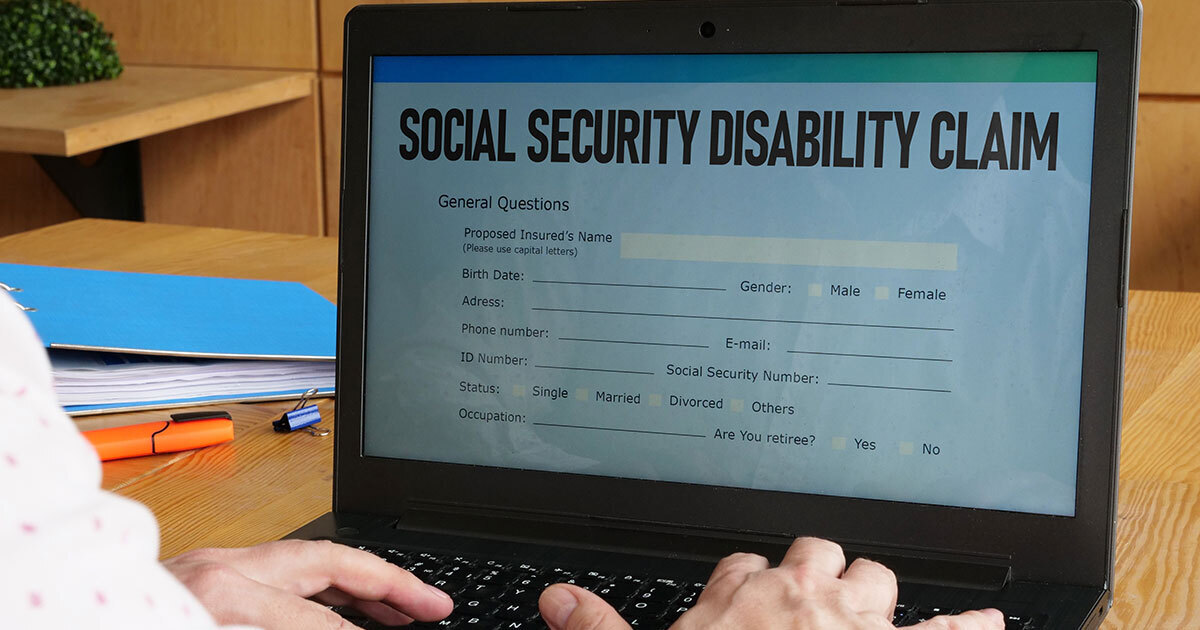
Once your documents are ready, it’s time to apply. SSDI applications can be completed in three ways:
- Online: The most convenient method is through the SSA Disability Online Application Portal. It allows you to submit your application from home and check your status at any time.
- By Phone: Call the SSA at 1-800-772-1213 to speak with a representative who can guide you through the application process.
- In-Person: Visit your local SSA office to complete your application with assistance from a staff member.
During the application, make sure to describe clearly how your disability affects your ability to work. Avoid vague statements and focus on specific limitations caused by your medical condition.
Step 4: Wait for a Decision
After submitting your application, the SSA will review your case, which can take several months. During this time, they may contact you for additional information or clarification.
- Checking Application Status: You can track your application online or call the SSA to receive updates. Regularly checking ensures you can quickly respond to any requests for additional documentation.
Patience is key—SSDI processing times vary depending on case complexity, but staying organized and proactive can help speed things along.
Step 5: Appeal if Necessary
It’s important to know that many initial SSDI applications are denied. However, you have the
right to appeal at multiple stages:
- Reconsideration: Request a review by a different SSA representative.
- Hearing: If reconsideration is denied, you can request a hearing before an administrative law judge.
- Appeals Council: If the hearing decision is unfavorable, you can appeal to the SSA Appeals Council.
- Federal Court: In rare cases, if all prior appeals fail, you can appeal to a federal court.
Navigating the appeals process can be complex. Consider seeking guidance from a qualified attorney or advocate specializing in SSDI claims to improve your chances of success.
Step 6: Receive Benefits
Once approved, you’ll start receiving monthly SSDI benefits. The amount depends on your earnings history, with the SSA using a formula based on your average indexed monthly earnings.
- Payment Schedule: Benefits are typically paid monthly, and you can choose to have payments deposited directly into your bank account.
- Additional Benefits: After receiving SSDI for two years, you may also qualify for Medicare coverage, which can significantly reduce healthcare costs.
Receiving SSDI provides not only financial support but also a sense of security, allowing you to focus on health, rehabilitation, or other essential aspects of life without the stress of lost income.
Tips for a Strong SSDI Application
- Keep a detailed medical diary documenting symptoms, treatments, and limitations.
- Be honest and precise when describing your condition.
- Organize your work history and medical records for easy reference.
- Consider consulting an SSDI advocate or attorney if your case is complex.
For more guidance, check out resources such as:
Final Thoughts
Social Security Disability Insurance can be a lifeline for individuals unable to work due to a disability. By understanding eligibility requirements, gathering complete documentation, and carefully completing your application, you increase your chances of approval. If your claim is denied, remember that the appeals process provides additional opportunities to secure the benefits you need.
Don’t face the process alone—reach out to qualified SSDI advocates or attorneys who can guide you through each step. Financial support, healthcare access, and peace of mind are within reach.
Take action today: Start your SSDI application online at the Social Security Administration or contact your local SSA office to begin securing the benefits you deserve.